 Indian Thought Latest News & Views

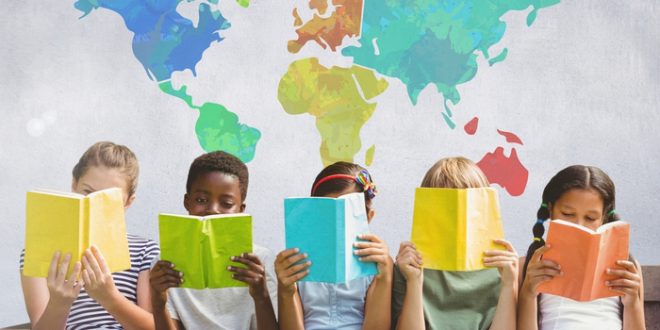
The night was quiet, and in the flickering light of a lantern in the mud courtyard, Sarita sat with her book open. She was worried because she had no reference books or additional materials, nor a place where she could study peacefully. Although the desire to study was clearly visible in her eyes, the lack of resources repeatedly stood in her way. This is not the situation of Nathwana village in Rajasthan alone; there are many villages across the country where girls have to overcome many walls of struggle to get an education. The dreams of some girls are shattered within these walls.
In fact, for village girls, education isn’t just a means to pass exams and earn degrees; it’s also a means to shape their dreams. When she tries to find time to study amidst household responsibilities, she’s deeply hurt by the lack of a nearby place where she can immerse herself in the world of books. Without a village library, a girl’s education is impacted on many levels. She lacks access to books or reference materials beyond her school textbooks. She wants to prepare for competitive exams, but the lack of necessary books hampers her preparation. This lack of books and knowledge gradually erodes her self-confidence.
Furthermore, the home environment isn’t always conducive to study. Between household chores and family responsibilities, girls often lack quiet time and space to study. A local library can be a valuable resource, offering a dedicated space and a collection of books. However, when this facility is unavailable, their studies often come to a halt. The inspiration that comes from reading and discussing in groups is also lost for these girls. The lack of a library means they lose opportunities to ask questions, share their ideas, and speak confidently. This can lead to self-doubt and a lack of information when they pursue higher education or professional life.
Not just Sarita, but 21-year-old Suman from the village also wanted to become a nurse to help the women in her village. But her school only had basic textbooks, and there was no library nearby. She couldn’t afford additional science books even if she wanted to. She said, “I often wondered how I could even dream of becoming a doctor or a nurse when I didn’t have enough books.” Her anguish symbolizes how lack of access to education directly limits dreams.
On the other hand, Neelam’s experience in Lunkaransar block offers hope. A Panchayat library recently opened there, providing her with access to competitive exam books and newspapers. She says, “Earlier, I felt lonely and incomplete studying, but now I feel I can prepare like city girls.” This change has given Neelam confidence, and her goals are clearer than ever. However, the library membership fee here is ₹800 per month, which is beyond the reach of economically weaker girls.
The lack of access to libraries isn’t just a problem limited to education. It also impacts the direction of adolescent girls’ lives. When they don’t find information about health, careers, legal rights, or self-employment in books, they are left with limited options for their future. Because books aren’t just collections of letters, they open a window to their imagination, thinking, and new opportunities.
Against this backdrop, schemes launched in recent years offer hope. The Rajasthan government has initiated the opening of public libraries at the village panchayat level. In the first phase, 50 libraries each were opened in Bharatpur and Jodhpur districts, totaling 100 libraries. These libraries include facilities for student reading and career guidance materials. Currently available data shows that there are a total of 323 public libraries in Rajasthan. However, given the state’s geographical and rural structure, this number is still insufficient to meet the needs of rural girls. New schemes can address this gap and provide a solid foundation for rural girls’ education.
In fact, when a village library opens its doors, it will open doors not just to books but to a brighter future for adolescent girls. They will have access to school textbooks, as well as competitive exam preparation books, right near their homes. However, the government needs to address library fees so that adolescent girls from economically disadvantaged families can also access equal opportunities.