 Indian Thought Latest News & Views

The food safety regulator has authorised prosecution after a packaged drinking water sample failed testing. Bisleri has maintained that its water is safe.
A packaged drinking water sample from Bisleri has reportedly failed a food safety test, prompting the Food Safety and Standards Authority of India (FSSAI) to sanction prosecution. The development has brought renewed attention to quality checks in India’s packaged drinking water industry.
The issue emerged in news reports on November 23. It has also raised questions about product testing, regulatory oversight and consumer awareness.
Bisleri has responded by maintaining that its packaged drinking water is safe. The company has disputed concerns about the quality of its products. Bisleri water safety test
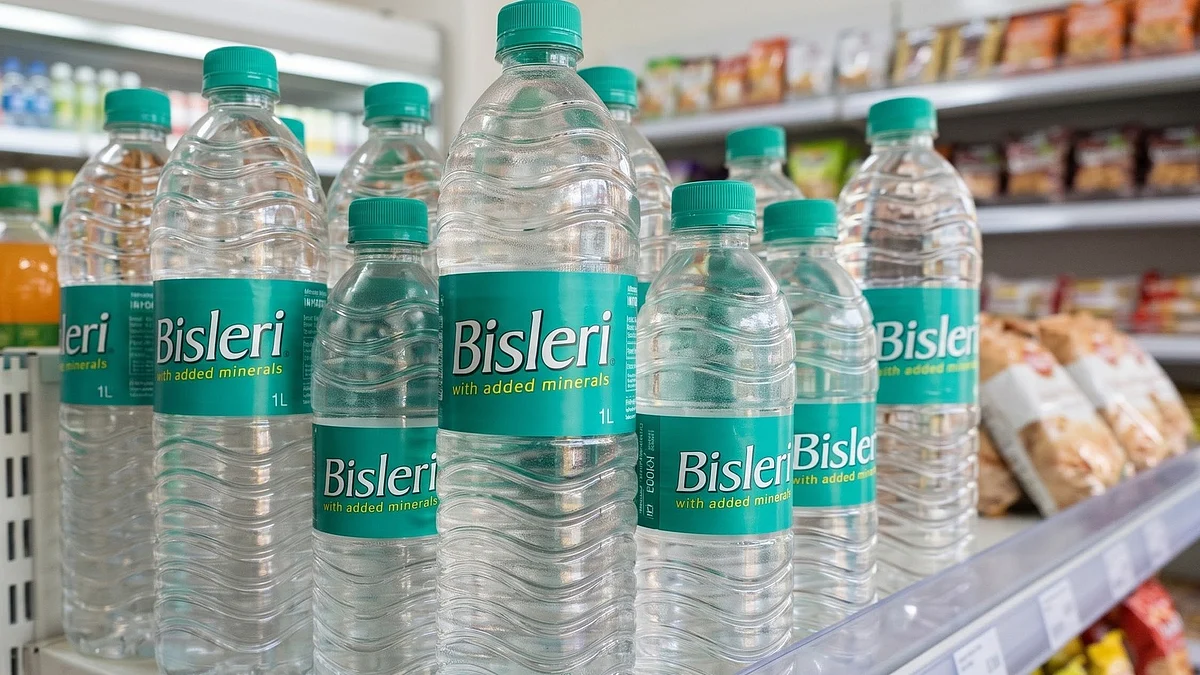
FSSAI Action Raises Quality Concerns
FSSAI is responsible for regulating food safety standards in India. Its role includes monitoring packaged food and beverages and taking action when products fail prescribed requirements.
A failed sample can lead to regulatory proceedings. However, the precise implications depend on the test findings, applicable standards and the legal process.
The prosecution sanction reported in this case indicates that the regulator has authorised further legal action. It does not, by itself, amount to a final court finding against the company.
Company Maintains Its Position
Bisleri has said its packaged drinking water is safe. The company’s response has brought two important aspects of the issue into focus: the regulator’s test findings and the company’s position.
Consumers should distinguish between a reported test failure and a final legal determination. The case will depend on the evidence and the proceedings that follow.
Further details about the specific sample, testing location and regulatory findings will be important for understanding the matter fully.
Why Packaged Water Testing Matters
Packaged drinking water is widely consumed in homes, offices, restaurants and public places. Consumers often depend on sealed bottles because they consider them a convenient source of drinking water.
Quality testing helps identify contamination and ensure that products meet prescribed safety requirements. Regular inspections also help maintain public confidence in the industry.
Manufacturers must follow applicable standards during treatment, bottling, storage and distribution. Even a small lapse can create concerns about consumer safety.
What Consumers Should Check
Consumers should purchase sealed bottles from reliable sellers. They should check the manufacturing details, batch information and packaging condition before use.
A damaged seal or unusual appearance should be treated as a warning sign. Consumers can also report suspected quality issues to the relevant food safety authority.
The case highlights the importance of transparent testing and strict enforcement. Further official details and the outcome of legal proceedings will clarify the matter.