 Indian Thought Latest News & Views

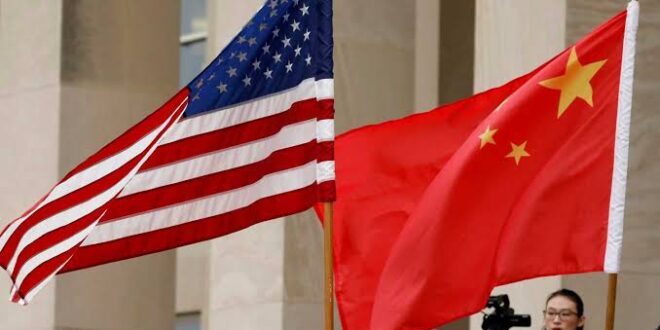
WASHINGTON: Tensions between the United States and China are drawing fresh attention after the Trump administration took three significant steps involving Chinese companies, travel arrangements in the Pacific, and China-funded educational institutions. The moves come ahead of a potential meeting between US President Donald Trump and Chinese President Xi Jinping next month.
The measures involve import restrictions linked to forced-labor concerns, the suspension of a visa-free travel program for Chinese nationals, and renewed scrutiny of Confucius Institutes operating at American universities. US officials have cited national security and other policy concerns, although the broader diplomatic implications of the decisions remain uncertain.
1. US Adds Three Chinese Genomics Companies to Its Restricted Entity List
The US Department of Homeland Security (DHS) announced that three Chinese companies—BGI Genomics, MGI Tech, and Shenzhen BGI Tech—had been added to the entity list associated with the Uyghur Forced Labor Prevention Act.
Under the law, certain goods linked to forced labor in China’s Xinjiang region face restrictions on entering the US market. According to the report, from October 29, US Customs and Border Protection would presume that goods produced by the listed companies were prohibited from entering the United States unless the required evidence established otherwise under the applicable legal process.
The move could affect the companies’ access to the American market, depending on the products involved and the scope of the restrictions. However, it should not be interpreted as a blanket ban on all Chinese goods or every product associated with the biotechnology sector.
2. US Suspends Visa-Free Travel Program for Chinese Nationals
The Trump administration has also moved to suspend a special travel authorization program for Chinese nationals visiting the Commonwealth of the Northern Mariana Islands.
The program previously allowed eligible Chinese visitors, subject to screening and other conditions, to travel to the islands without obtaining a conventional visa. A notice published in the Federal Register on October 27 reportedly set the suspension to take effect at 2 p.m. local time on October 30. The report also states that previously issued authorizations would be affected.
The Department of Homeland Security cited concerns over the alleged misuse of the program. These included potential security risks near military facilities in Guam and Tinian, trafficking concerns, and so-called birth tourism.
According to the report, more than 3,000 Chinese nationals used the program during fiscal year 2025.
The decision highlights Washington’s security concerns in the Pacific, where Guam plays an important role in the US military’s regional strategy.
3. China-Funded Confucius Institutes Face National Security Scrutiny
US Defense Secretary Pete Hegseth has also raised national security concerns about Confucius Institutes at American universities. These centers have traditionally focused on Chinese language instruction and cultural exchange.
Such institutions have faced scrutiny in the United States for years. Critics have raised concerns about potential Chinese government influence, academic freedom, and access to sensitive information. Supporters, meanwhile, have highlighted their role in language education and cultural engagement.
The report refers to the Pentagon’s position on these centers. However, the announcement should not automatically be interpreted as confirmation that every Confucius Institute at every US university has been shut down or subjected to the same restrictions.
Why the Moves Matter Ahead of the Trump-Xi Meeting
The timing of the three developments is significant because they come ahead of a potential meeting between Trump and Xi Jinping next month, according to the report.
Trade, technological competition, and regional security remain important issues in US-China relations. Washington’s latest actions suggest that the administration is continuing to emphasize economic and national security concerns as the two countries navigate their complex relationship.
However, there is no confirmed evidence in the supplied report that the three measures were specifically designed to pressure Beijing ahead of the proposed meeting.
The impact of these decisions will depend on their implementation, China’s response, and whether further measures follow. Developments in trade policy, technology restrictions, and Pacific security are likely to remain central to the relationship between the world’s two largest economies.