 Indian Thought Latest News & Views

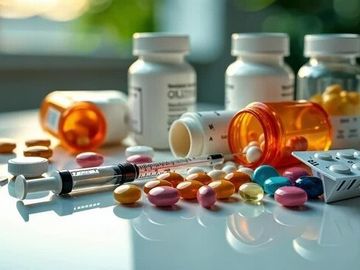
Washington: The US has decided not to impose percentage-based tariffs (ad valorem duties) on certain specific medicines and essential related components imported from 20 countries, including India. This decision (Decision ) comes at a time when the US is preparing to impose a 100% tariff on certain patented medicines and pharmaceutical materials.
The US Department of Commerce has released a list in the Federal Register identifying the countries whose eligible medicines will benefit from a 0% tariff rate. Apart from India, the list includes a total of 20 countries, such as Argentina, Bangladesh, Cambodia, Ecuador, the European Union, Indonesia, Japan, South Korea, Switzerland, the UK, and Vietnam. The US has taken this step amidst preparations to implement a 100% tariff on certain patented pharmaceutical drugs and related items starting September 29. Consequently, the decision to exempt these specific categories of medicines from duties is considered significant for the Indian pharmaceutical sector.
Which medicines will qualify for the 0% tariff?
According to the US, all medicines used to treat rare diseases, infertility treatment drugs, cell therapies, gene therapies, and antibody-drug conjugates (ADCs) have been placed in the zero-tariff category. A 0% tariff will also apply to the components used in these medicines. Additionally, certain veterinary medicines will benefit from this exemption. This means that companies exporting these designated products to the US will not face the burden of the new tariffs.
Why is this significant for India’s pharma sector? India is among the world’s leading manufacturers of generic medicines, and the US market is a crucial one for Indian pharmaceutical companies. However, the US Department of Commerce has clarified that the Section 232 tariffs will not apply to generic medicines or the essential components used in them. This exemption applies to products originating from countries that have existing or proposed trade and security agreements with the United States. This decision follows a proclamation issued by President Donald Trump on April 2, aimed at boosting the domestic production of patented medicines and pharmaceutical products.