 Indian Thought Latest News & Views

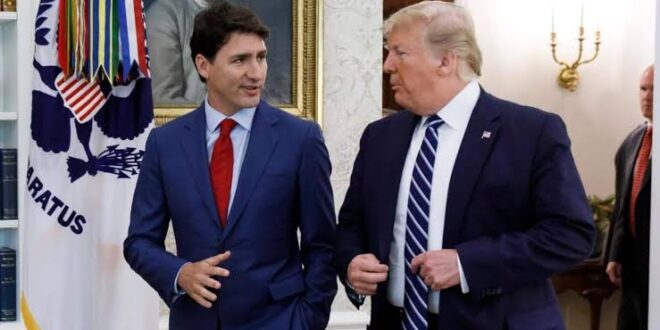
Washington: The ongoing trade tension between the US and Canada appears to be escalating into a tariff war. Early Saturday, the US imposed a 50% tariff on approximately $20 billion (‘Dollar) worth of goods imported from Canada. In response, Canada announced it would impose reciprocal tariffs on US goods starting September 8. The final round of negotiations between the two nations concluded without an agreement. US President Donald Trump’s new tariffs will affect about 5% of total Canadian exports to the US, covering a wide range of products—from hockey sticks to medical tongue depressors.
Canada to Retaliate Starting September 8
Canadian officials stated that full details regarding the new retaliatory tariffs would be released in the coming days. These tariffs will take effect on Tuesday, September 8, following Labor Day. Canada plans to respond on a “dollar-for-dollar” basis, matching the US measures. The scope of these tariffs will include goods such as steel, dairy products, household appliances, agricultural equipment, pulp and paper, and electronics. Officials noted:
“Canada was willing to lift its existing retaliatory tariffs on steel, aluminum, and automobiles to reach a deal, provided the US made significant cuts to its own tariffs. Canada was also prepared to encourage provinces to resume sales of US liquor, but the final US demands were excessive. They asked for too much and offered too little in return.”
US Claims Canada Rejected the Deal
Top US trade negotiator Jamieson Greer stated that the US was willing to lower tariffs on sectors sensitive to Canada, such as steel, automobiles, and lumber. Greer stated that Canada already had the best trade deal available, and the US was willing to offer even better terms, but Canada was unwilling to accept them. He said,
“We are now moving forward with measures to respond to Canada’s retaliatory actions.”
Greer also noted that the US objective is to protect American workers and supply chains. Currently, there are no plans for further negotiations between the two nations.
**Hopes for a deal just two days ago**
Until just two days prior to these developments, statements from officials in both countries suggested that an agreement might be reached. However, the final round of talks failed. Carney announced that Canada would provide targeted tariff protection to industries affected by the new US duties, including certain steel products. Doug Ford, the Premier of Ontario—Canada’s most populous province—supported Carney’s decision. He stated that the retaliation should be “tariff for tariff, dollar for dollar” and that “all options must be on the table.”
**A history of close ties**
Trade between the US and Canada totaled approximately $880 billion last year. The two nations have frequently clashed over trade issues for decades; disputes over Canadian softwood lumber and US access to the Canadian dairy market have long been points of contention. Despite this, the two countries have remained friends, allies, and major trading partners. Following the 9/11 attacks, Canadian troops worked alongside US forces in Afghanistan. There is no military deployment along the 5,525-mile border shared by the two nations. Every day, approximately 330,000 people and $2 billion worth of goods cross this border, and around 800,000 Canadians reside in the US.
**Trump’s Canada policy alters a long-standing relationship**
Donald Trump’s approach toward Canada differs significantly from the traditional alliance between the two nations. Trump has imposed tariffs on Canadian goods with the aim of bringing manufacturing back to the US. He has even spoken about making Canada the ’51st state’ of the US. Carney stated that Canada has realized “America has changed” and that the two nations will not return to their former relationship. Public anger in Canada regarding the tariff dispute is also mounting; an online petition demanding the expulsion of US Ambassador Pete Hoekstra—considered a close ally of Trump—has garnered approximately 248,000 signatures since July 21.
**Questions Raised About the Future of USMCA**
This dispute has escalated at a time when the US, Canada, and Mexico are attempting to renegotiate the North American trade agreement—a deal Trump had championed during his first term as a major achievement. The US has initiated formal talks with Mexico to modify the USMCA (United States-Mexico-Canada Agreement), but negotiations with Canada have not yet begun. Rising trade tensions between the two countries are raising doubts about whether these talks with Canada will take place at all.