 Indian Thought Latest News & Views

India’s eastern coastline is preparing for potentially severe weather as Cyclone Arnab approaches, prompting authorities in Andhra Pradesh and Odisha to strengthen emergency arrangements. According to a report published by Reuters on October 26, the storm is forecast to make landfall near Andhra Pradesh on Wednesday, October 28, 2026.
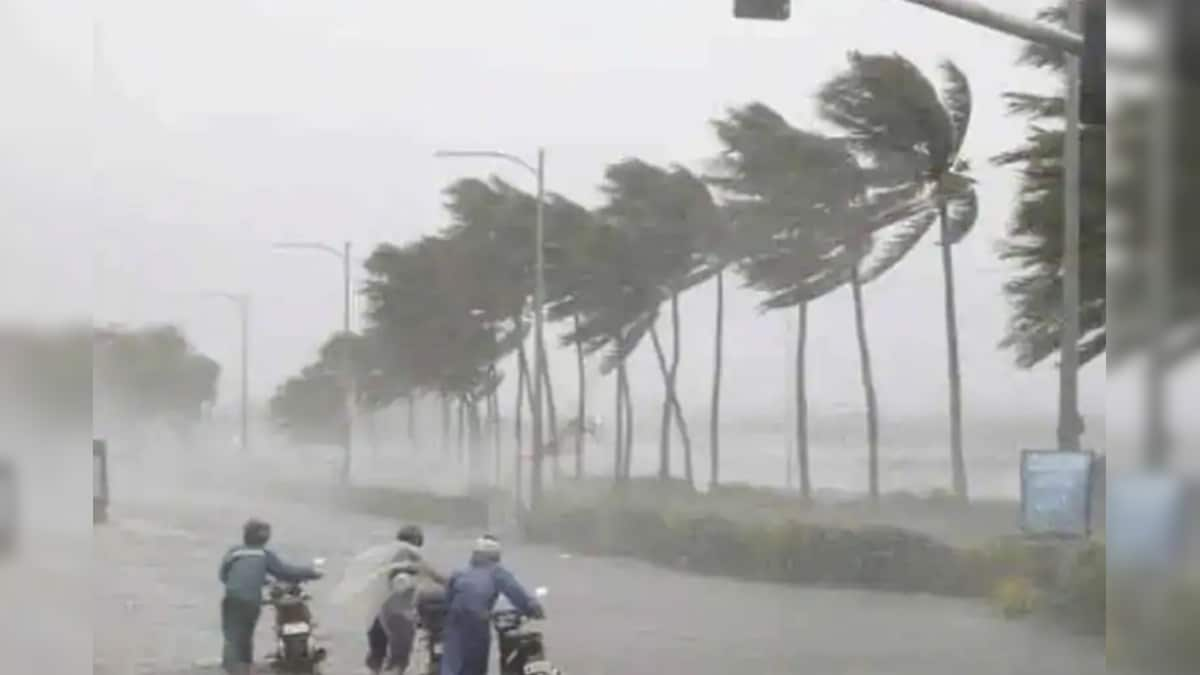
Authorities Prepare for Possible Evacuations
The developing cyclonic system over the Bay of Bengal has raised concerns about heavy rainfall, strong winds and disruption to everyday life in vulnerable coastal areas. Authorities are preparing evacuation arrangements for residents who may face the greatest risk from flooding and storm-related damage.
Andhra Pradesh has identified approximately 570,000 people as potentially vulnerable, with evacuation operations scheduled to begin on Monday evening, according to the Reuters report. Officials have also directed boats at sea to return to shore as a precautionary measure.
These steps are intended to reduce the risk to fishing communities and residents living in low-lying coastal locations.
Odisha Announces School Closures
Odisha is also preparing for deteriorating weather conditions. The state has announced that schools and colleges in five districts will remain closed on Tuesday and Wednesday as the storm approaches.
Officials are preparing to move residents from low-lying areas to cyclone shelters. Emergency teams are also expected to focus on essential supplies, safe shelter and arrangements for restoring electricity if power lines are damaged.
The India Meteorological Department’s forecast indicates that heavy to extremely heavy rainfall could affect northern and central coastal districts of Andhra Pradesh and southern parts of Odisha. Wind gusts could reach approximately 140 kilometres per hour, according to Reuters.
What Residents Should Do
Residents in potentially affected areas should follow official weather bulletins and instructions issued by local administrations.
-
Move to designated cyclone shelters when instructed by authorities.
-
Keep drinking water, essential medicines, food and charged mobile phones ready.
-
Avoid beaches, flooded roads and unnecessary travel during severe weather.
-
Fishermen should follow official restrictions and avoid venturing into rough seas.
-
Stay away from fallen electric wires and report damage to the relevant authorities.
Why Early Preparation Matters
Cyclones can bring multiple hazards, including flooding, damaged infrastructure, fallen trees and prolonged power interruptions. Advance evacuation, timely warnings and coordinated emergency services can help reduce casualties and protect property.
However, the storm’s exact track, intensity and local impact may change as weather conditions develop. Residents should therefore rely on updated official forecasts rather than assumptions about where the greatest damage will occur.
Conclusion: Andhra Pradesh and Odisha are strengthening preparations as Cyclone Arnab approaches India’s eastern coast. The coming days will be important for evacuation arrangements, public safety and emergency response. People in vulnerable areas should remain alert and follow instructions issued by local authorities.