 Indian Thought Latest News & Views

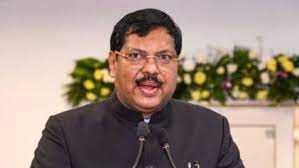
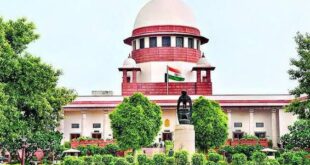
New Delhi: During the hearing on the Presidential Reference in the Supreme Court, Chief Justice (Chief Justice) of India BR Gavai mentioned the violence in neighbouring country Nepal and said that we are proud of our Constitution, see what is happening in our neighbouring countries, we saw it in Nepal as well. Justice Vikram Nath also agreed with the Chief Justice’s comment and said that yes, we saw the same thing in Bangladesh as well.
A bench of five judges is hearing the Presidential Reference
In fact, a five-judge constitutional bench in the Supreme Court is hearing 14 questions (Presidential Reference) related to the power of President Draupadi Murmu to give assent to bills. During this, the Chief Justice of India mentioned the situation in neighbouring countries and said that we are proud of our Constitution. See what is happening in our neighbouring countries. We are seeing the same thing in Nepal as well. On this comment of the Chief Justice, Justice Vikram Nath, a judge of the five-judge Constitution Bench, said – yes, in Bangladesh as well.
The five-judge Constitution Bench of the Supreme Court on the Presidential Reference includes Chief Justice Gavai, Justice Suryakant, Justice Vikram Nath, Justice PS Narasimha and Justice AS Chandurkar. Earlier, during the hearing on Tuesday, it was said that under the constitutional system, the President and the Governor are only nominal heads and they are bound to work on the aid and advice of the Council of Ministers in both the Center and the State.
Can courts set a time limit on bills?
In fact, this Presidential Reference also includes whether the courts can set a time limit for the President / Governor to take a decision on the bills. This Presidential Reference, presented under Article 143, has come a month after the Supreme Court’s decision in the Tamil Nadu Governor case.
What is the process of Presidential Reference
Presidential Reference is the process in which the President of India, under Article 143 of the Constitution of India, seeks advice or opinion from the Supreme Court on a matter of legal or public importance. Here the Supreme Court sends its written opinion to the President, but this opinion is not binding on the President. The President uses this process only on the advice of the Cabinet.