 Indian Thought Latest News & Views

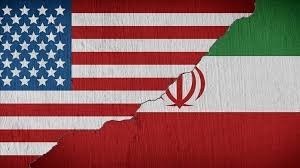
Delhi:In a significant development amid escalating tensions ( escalating tensions)in West Asia, Donald Trump has indicated that the ongoing conflict between the United States and Iran may be approaching its conclusion, even as military operations continue.
Speaking in an interview with Fox Business, Trump stated that the war is “very close to being over,” suggesting a potential de-escalation in hostilities. However, he simultaneously emphasized that the United States is “not done” with its campaign, signaling that strategic objectives have yet to be fully achieved.
The remarks come at a time when the US has enforced a naval blockade in the Strait of Hormuz—a crucial global oil transit route—aimed at restricting Iranian maritime access. The blockade, involving thousands of personnel and multiple warships, has already disrupted regional shipping, forcing several vessels to retreat from Iranian waters.
The current conflict traces back to February 28, when the United States, in coordination with Israel, launched military strikes on Iran, citing concerns over Tehran’s alleged pursuit of nuclear weapons. According to US officials, the strikes targeted key infrastructure and high-ranking leadership, including Iran’s Supreme Leader Ayatollah Ali Khamenei.
Despite the damage inflicted, Iran responded with retaliatory actions across West Asia, escalating tensions and raising fears of a broader regional conflict. Trump defended the decision to initiate direct military action, arguing that it was necessary to prevent Iran from developing nuclear capabilities.
Diplomatic efforts are also underway to resolve the crisis. A second round of talks between Washington and Tehran is expected soon, potentially in Islamabad, after earlier negotiations failed to produce an agreement on Iran’s nuclear program. US Vice President JD Vance acknowledged the deep mistrust between the two nations, noting that a comprehensive resolution would take time.
Although a temporary ceasefire appears to be holding, uncertainty looms over what will follow its scheduled expiration on April 22. The situation remains fragile, particularly around the Strait of Hormuz, where any escalation could have significant economic and geopolitical consequences.
As both sides weigh military and diplomatic options, the coming days are likely to be crucial in determining whether the conflict moves toward resolution or reignites into a prolonged crisis.